Loose-Leaf Brewing in a Teapot: Temperature, Timing, and Leaf Ratio Guide
A teapot is a forgiving thing, and an unforgiving one, depending on how you treat it. The same leaves that taste sweet and floral at 80°C can turn sharp and drying at a rolling boil, and the difference between a cup you drink quickly and one you sip slowly often comes down to a few seconds of steeping. Temperature, time, and the amount of leaf are the three levers you control. Get them roughly right and loose-leaf tea stops being fussy and becomes the easiest thing in your kitchen.
Temperature Comes First
Water temperature decides which compounds end up in your cup. Hot water extracts everything faster, including the tannins that read as bitterness and astringency on the tongue. That is why a green tea brewed with boiling water can taste harsh and metallic, while a black tea brewed at 70°C tastes like warm nothing at all.
You do not need a laboratory to manage this. Boil the kettle, then let it stand. A minute or two brings it down toward 90°C; four or five minutes gets you closer to 75°C. Pouring boiling water into a cold pot also drops the temperature several degrees, which is either a problem or a useful tool depending on what you are brewing. And if you rinse the pot with hot water first, that heat goes into the ceramic instead of out of your tea.
A small kitchen thermometer costs less than a decent tin of tea and removes all the guessing. If you buy one piece of equipment beyond the pot itself, make it that.
A Temperature Cheat Sheet by Tea Type
These are starting points, not laws. Adjust toward the lower end for delicate, high-grown leaves and toward the upper end for roasted or aged ones.
- Green tea: 70–80°C (160–175°F). Japanese gyokuro can go as low as 50–60°C.
- White tea: 75–85°C (170–185°F). Silver needle prefers the cooler end; aged white teas handle more heat.
- Yellow tea: 80–85°C (175–185°F).
- Oolong: 85–95°C (185–205°F). Light, floral oolongs lower; roasted and charcoal-baked oolongs higher.
- Black tea: 95–100°C (205–212°F), including most Indian and Ceylon varieties.
- Pu'er and other dark teas: 95–100°C (205–212°F). These leaves are sturdy and reward full heat.
Leaf Ratio: Weigh It Once
Scoops are unreliable because tea leaves vary wildly in density. A teaspoon of tightly rolled oolong weighs far more than a teaspoon of fluffy silver needle, yet both fill the same spoon. The fix is simple: weigh your leaf once, then you will know what a proper portion looks like in your own spoon forever after.
For Western-style brewing in a teapot, start with about 1 gram of leaf per 100 ml of water. That works out to roughly 2.5 grams for a standard 250 ml cup, or about 8 grams for a one-litre pot. If you are brewing in the gongfu style with a small pot and many short infusions, push that up to 5–7 grams per 100–150 ml.
Which Direction to Adjust
More leaf and less time gives you a clearer, more layered cup. Less leaf and more time gives you a rounder but flatter one. When a tea tastes weak, add leaf before you add minutes — the second approach pulls out bitterness along with strength.
Broken leaves and fannings release their flavour fast, so use slightly less than you would with whole leaf. Whole leaves need room to unfurl, which is why a crowded infuser basket brews worse than a loose pot with a strainer at the spout.
Timing the Steep
Set a timer the first few times. Counting in your head while doing something else rarely ends well.
- Green tea: 1–2 minutes
- White tea: 2–3 minutes
- Oolong: 2–4 minutes
- Black tea: 3–5 minutes
- Pu'er: 2–4 minutes
The most useful habit is to taste at the one-minute mark through a small spoon. You will learn what your tea tastes like on its way to being ready, and you will catch an over-steep before it happens. Once the tea is where you want it, pour it off the leaves, or lift the basket out. Leaves left sitting in hot water keep extracting whether you are paying attention or not.
Re-steeping: The Second Pot Is Often Better
Good whole-leaf tea is not a single-use product. Oolong can easily give four to eight infusions, pu'er many more, and even a straightforward black tea usually manages two or three. Add roughly 10–15 seconds to each subsequent steep and keep the water at the same temperature, or a touch hotter.
Do not leave the leaves soaking between rounds. Let them drain, then come back when you want the next cup. If the second infusion tastes thin and hollow, either the leaf is spent or your first steep was too long; if it tastes flat but still full-bodied, the water went in too cool.
The Pot Itself Changes the Result
Two teapots of the same size can brew the same tea differently. Porcelain and glass are neutral and show colour well. Unglazed clay interacts with the tea over time and is best dedicated to one type so the flavours do not muddle. Cast iron holds heat beautifully but also holds it long after you have poured, which can be a drawback with delicate greens.
Size matters as much as material. Brewing one cup in a large pot leaves a lot of hot air around the leaves and the water cools unevenly. Match the pot to the pour: if you are making two cups, use a pot that holds roughly two cups plus a little headroom for the leaves to open.
When It Tastes Wrong
- Bitter and drying: water too hot or steeped too long. Drop the temperature 5–10°C and shorten the time.
- Thin and lifeless: too little leaf, water too cool, or a cold pot. Preheat and increase the dose.
- Muddy or cloudy: fine particles or over-agitation. Pour gently rather than splashing, and use a finer strainer.
- Great first cup, disappointing second: the first steep ran too long, or the leaves were left sitting in water.
- Inconsistent from day to day: you are eyeballing the water volume. Measure it once and note the level on the pot.
Change One Thing at a Time
Pick a single tea and brew it three days running. On day one, follow the numbers above. On day two, drop the water temperature by 5°C. On day three, keep the temperature and shorten the steep by 30 seconds. Taste each one deliberately and note which you preferred. Three pots will teach you more about your own palate than any chart, including this one.
Write the result on a scrap of paper and keep it with the tin. A small brewing log — tea, grams, millilitres, temperature, seconds — sounds fussy until the day you want to repeat a cup you loved three weeks ago. After a while you will not need it. Your hands will know how much leaf to drop in, and your ear will know the sound the kettle makes just before it is too hot.
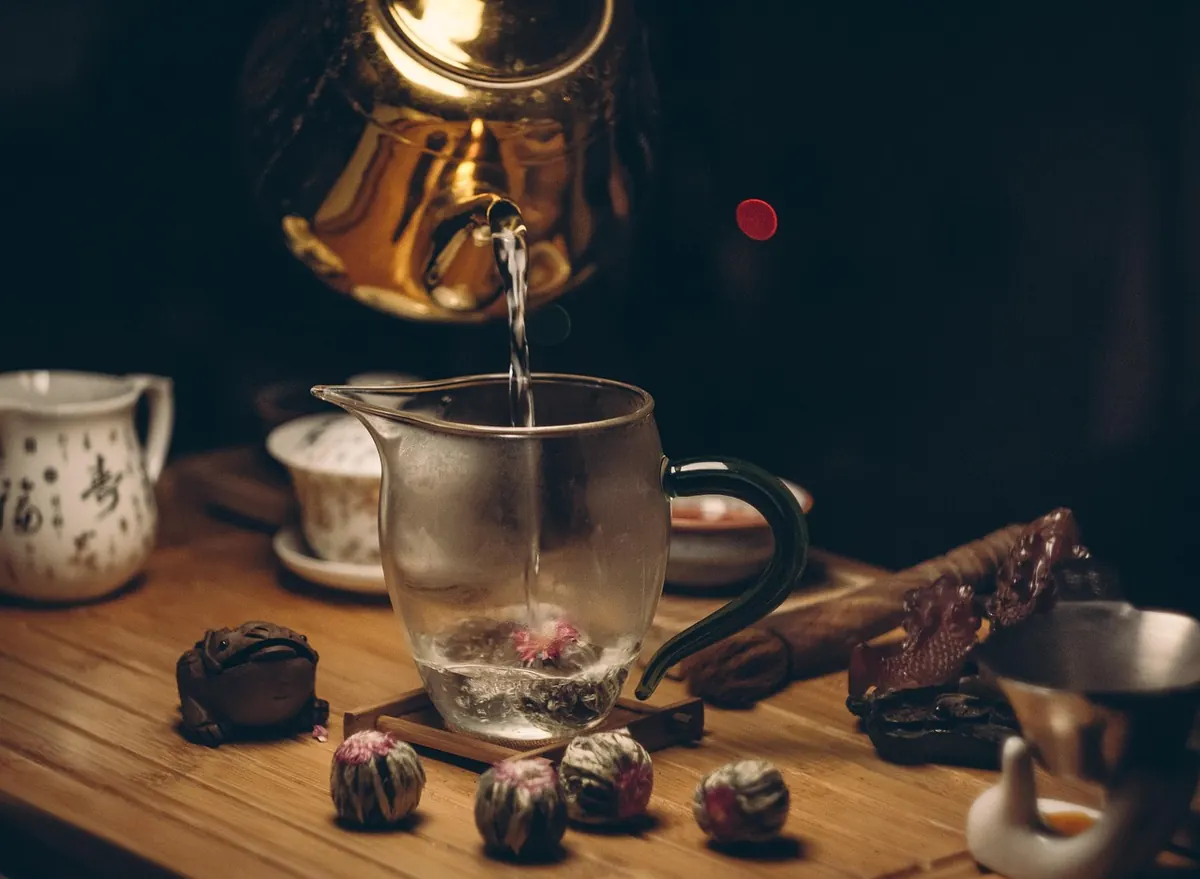
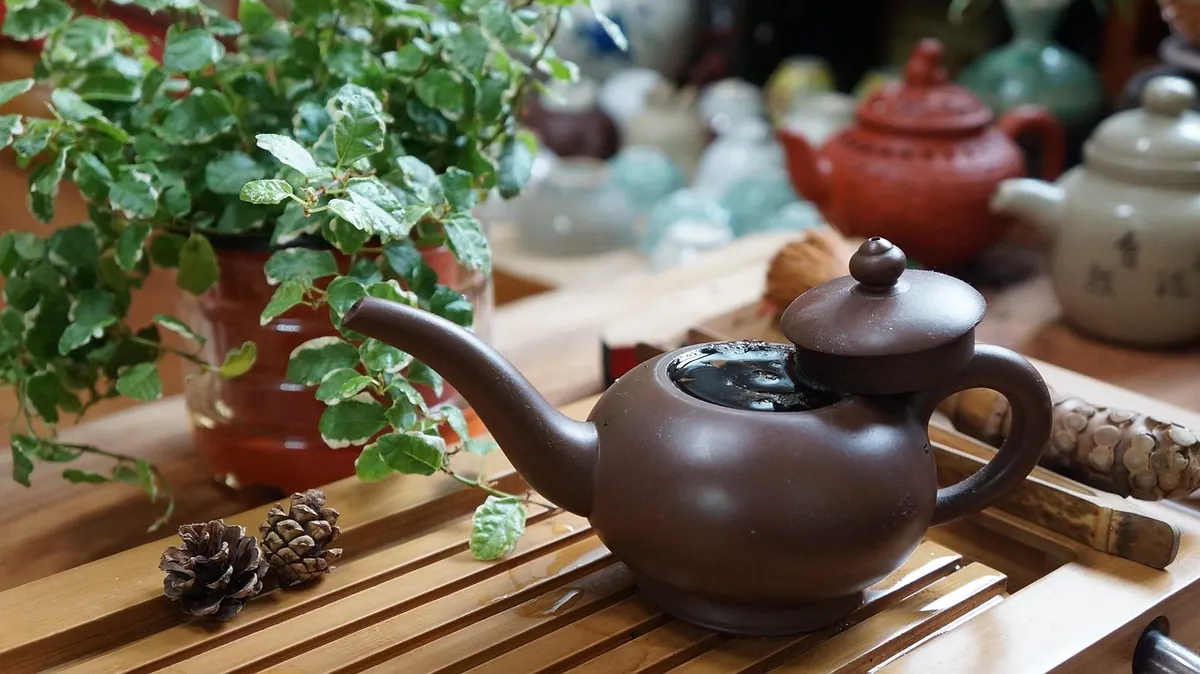
Photo: mirkostoedter / Pixabay
You Might Also Like
Rotate teapots, trays, linens, and flowers four times a year to keep a small home tea corner fresh, usable, and quietly seasonal.
Match a teapot to a tea lover's habits, space and taste with this practical guide to sizes, materials, styles and the small details that make a gift usable.