What Is a Yixing Teapot? Clay, Seasoning, and Brewing Explained
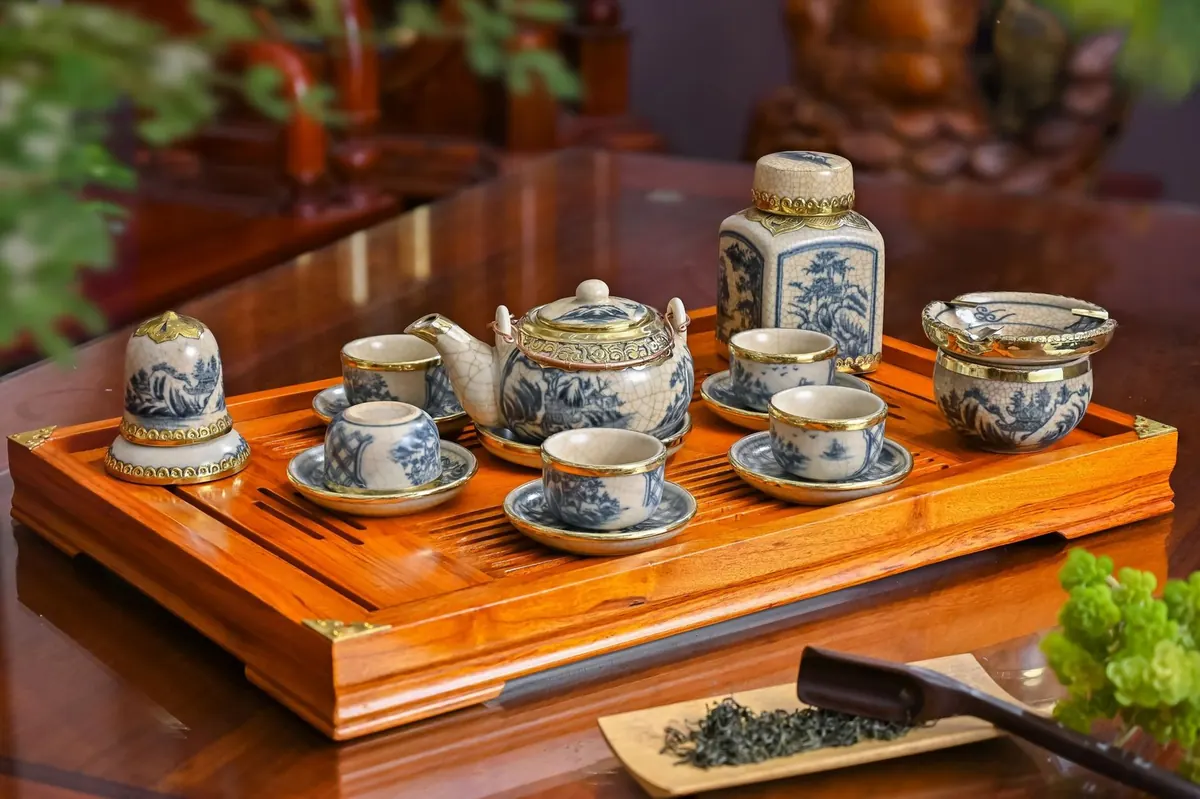
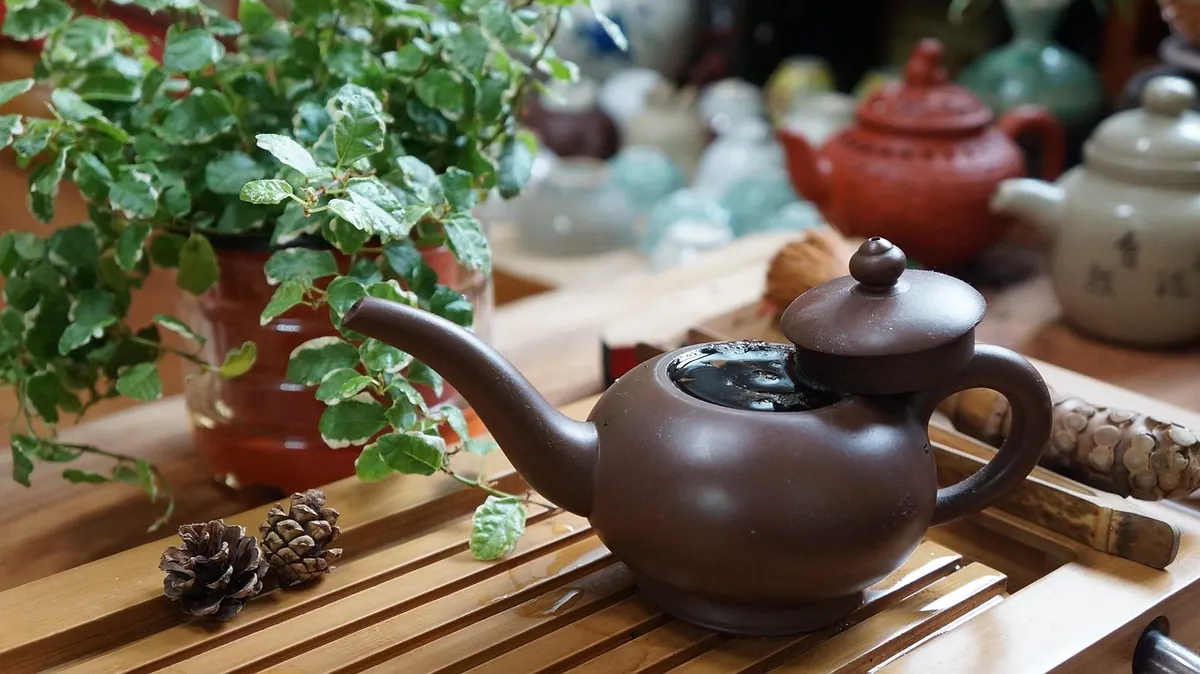
A Yixing teapot is small, unglazed, and usually brown, red, or sandy yellow. It has a lid that seats with a soft click and a spout that pours in a thin, steady stream. What sets it apart from every glazed pot on your shelf is that its walls drink a little of the tea along with you. That one property explains almost everything: why enthusiasts keep several pots, why a pot improves with age, and why you should never brew jasmine in the pot you use for ripe pu-erh.
What Yixing Clay Actually Is
Yixing is a town in Jiangsu province, China, near Lake Tai, and the clay dug around it is collectively called zisha — "purple sand." It is a stoneware, fired unglazed somewhere around 1,100 to 1,200°C, which leaves the body slightly porous. Because there is no glaze, nothing separates the tea from the clay.
The family has several members, and they behave differently in the hand and in the cup:
- Zini (purple clay) — the classic dark brown. Dense, holds heat well, and the standard choice for pu-erh and roasted oolongs.
- Hongni or zhuni (red clay) — warmer in color, often thinner-walled and fired higher. Favored for aromatic oolongs because it mutes less.
- Duanni (segment clay) — pale yellow to beige, slightly more porous. Good for teas you want rounded off.
A caution worth repeating: the word "Yixing" is used loosely in retail. Plenty of pots sold under that name are made from clay from other regions, or slip-cast in molds rather than built by hand. That is not automatically bad — a well-made molded pot can brew fine tea — but do not treat the label as a guarantee.
Why the Pot Gets Seasoned
Seasoning is not a coating you apply. It happens on its own, slowly, as hot tea moves in and out of the clay's pores. Oils, minerals, and traces of the leaf settle into the wall. Over weeks and months the surface takes on a soft sheen — patina — and the empty pot begins to smell faintly of the tea it has been drinking.
This is why the usual advice is one pot, one tea. A pot seasoned with roasted oolong carries that flavor memory. Brew a delicate green tea in it afterward and the clay gives back what it stored, while the delicate tea loses. A pot used for a single tea, by contrast, reinforces the same note every session. The effect is subtle. It will not rescue mediocre leaves; think of it as a small, consistent nudge rather than a transformation.
Which Teas Belong in a Yixing Pot
Yixing clay softens and rounds a cup. That helps some teas and flattens others. As a rough guide:
- Ripe pu-erh and aged raw pu-erh — the most traditional pairing. Earthy, sturdy teas stand up to the clay and benefit from heat retention.
- Roasted oolong and rock tea (yancha) — excellent in zini or duanni. The pot smooths the roast and keeps the temperature steady between pours.
- Aromatic oolong (tieguanyin, dancong) — use a thin-walled red clay pot if you use one at all, and keep the brewing fast. Many drinkers prefer porcelain here.
- Black tea — works well, especially in red or purple clay. Expect a rounder, less brisk cup.
- Green, white, and lightly scented teas — usually better in porcelain or glass. Yixing clay mutes the fresh, high notes that make these teas worth drinking.
One more rule: strong, smoky teas such as lapsang souchong will perfume a pot permanently. That is fine if you drink it often. It is a problem if you do not.
How to Season a New Pot
You can start using a new pot the day it arrives. A short routine helps, mainly to clean it and to settle your intention:
- Rinse the pot with warm water. No soap, ever — unglazed clay absorbs detergent and will taste of it for months.
- If you want to be thorough, warm the pot gradually under running warm water, then simmer it in a clean pan of water for twenty minutes and let it cool in the pan. Never move a pot from cold to boiling; thermal shock cracks clay.
- Brew a full pot of the tea you plan to dedicate to it. Pour some of that tea over the outside as well, then tip it out.
- Wipe with a soft cloth and let it air-dry with the lid off.
- Repeat over the first week or two. That is the whole method.
Skip the shortcuts. Olive oil, tea-leaf rubs, and "seasoning kits" leave a sticky film that traps dust and sours. Patina comes from tea, time, and handling, and there is no honest way to hurry it.
Brewing in It: Practical Numbers
Yixing pots are usually brewed gongfu style — a lot of leaf, a small volume of water, many short infusions. For a 120 ml pot:
- Use 5–8 g of leaf, roughly a third to a half of the pot's volume once the leaves open.
- Preheat with hot water, and pour that water over the outside to keep the pot warm.
- Rinse the leaves for about five seconds, discard that pour, then start brewing.
- First infusions: 10–20 seconds. Add five to ten seconds each round.
- Expect six to ten good infusions from oolong or pu-erh.
Water temperature matters more than the pot. Near boiling for pu-erh and roasted oolong; 85–90°C for lighter oolongs; somewhere in between for black tea. Empty the leaves as soon as you finish, rinse the pot with hot water, and leave the lid off to dry overnight. A pot stored sealed while damp grows musty, and mustiness is very hard to remove.
Start With One Pot and One Tea
Pick a pot you actually like holding — a shape that pours cleanly, a lid that turns without wobbling, a size that matches how much tea you drink in a sitting. Around 100–150 ml suits most people brewing for one or two. Pair it with a tea you already drink regularly, brew in it for a month, and watch how the pot changes: the sheen on the lid, the smell when you lift it empty.
That small, slow change is the point of Yixing. It is not a better pot than porcelain; it is a pot that keeps a record. Give it one tea and enough time, and it returns the favor.
Photo: hana_chado / Pixabay
You Might Also Like
Rotate teapots, trays, linens, and flowers four times a year to keep a small home tea corner fresh, usable, and quietly seasonal.
Match a teapot to a tea lover's habits, space and taste with this practical guide to sizes, materials, styles and the small details that make a gift usable.