The 7 Most Common Teapot Brewing Mistakes and How to Avoid Them
A good teapot asks for very little. It holds heat, gives leaves room to open, and pours without drama. And yet most disappointing cups have nothing to do with the pot or the tea inside it. They come from a handful of small habits that settle in around the kettle without anyone noticing. The good news: none of these mistakes are hard to break, and the same leaves will taste noticeably better once you do.
Here are the seven that show up most often, roughly in order of how much damage they do.
1. Oversteeping Is a Pouring Problem, Not a Timing Problem
Everyone knows not to steep too long. Fewer people realise that the tea usually keeps steeping after the ideal moment has passed — because half the pot is still sitting on the leaves. If you pour one cup and set the pot down, the second cup is already a different, harsher drink.
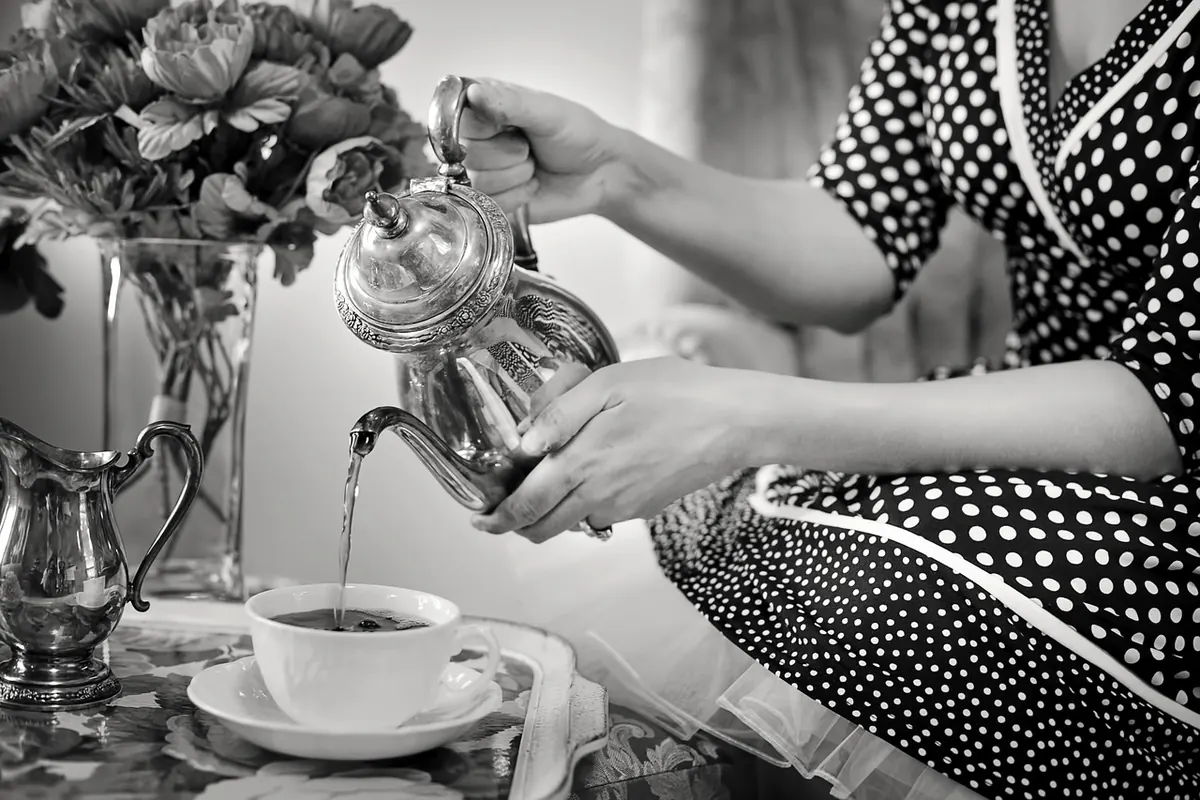
The fix is mechanical, not mental. Pour the whole pot in one go, into one or two cups, or into a small pitcher if you're brewing for yourself. Delicate green teas can turn grassy and bitter within a minute of their sweet spot; black teas go from bright to drying and flat. If your pot has a removable basket, lift it out and set it on the lid or a small dish. If it doesn't, decant everything and leave the pot empty until the next round.
2. Water Temperature, and the Pot That Changes It
Boiling water poured onto a delicate green tea is the fastest way to make something that tastes like cooked spinach. The reverse mistake — lukewarm water on a tightly rolled oolong — gives you a cup that's thin and oddly sweet, as if the leaves never really woke up.
A Rough Guide
- Green tea: 70–80°C. Let the kettle sit with the lid open for a few minutes.
- White tea: 80–85°C. Slightly hotter for aged white.
- Light oolong: 85–90°C.
- Roasted oolong, black tea, pu-erh: 95–100°C, right off the boil.
One thing most guides leave out: your teapot changes the effective temperature. A thick, heavy clay pot holds heat and pushes the brew hotter than you intended, so you can afford to come in a few degrees lower. A thin porcelain pot sheds heat fast, which means a green tea you brewed perfectly in stoneware may taste under-extracted in porcelain. Adjust for the pot, not just the leaf.
3. Skipping the Two Rinses
There are two rinses, and they do different jobs.
The first is for the pot. Fill it with hot water, swirl, and pour it out before the leaves go in. Ten seconds of work, and it stops the first pour from shedding all its heat into cold walls. In winter, this single step is the difference between a hot cup and a lukewarm one.
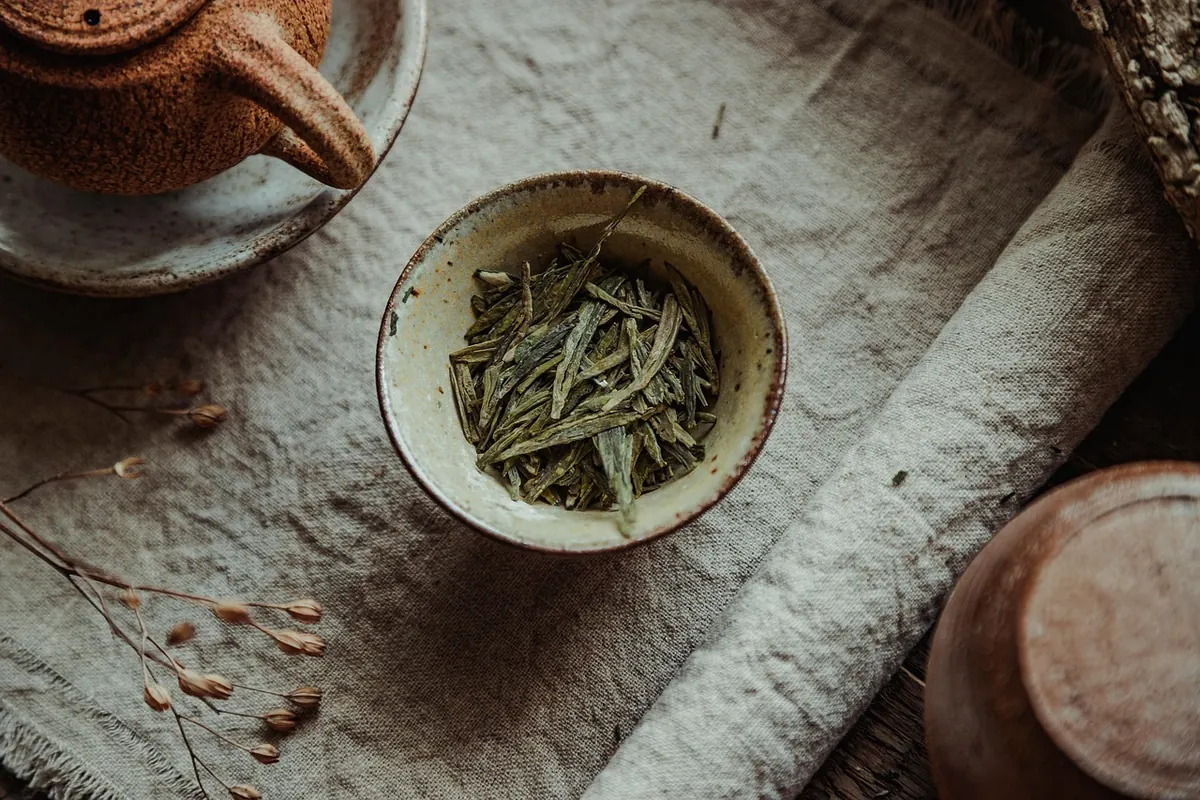
The second is for the leaf, and it's more selective. A quick splash over tightly rolled oolong or aged pu-erh opens the leaves and rinses off dust from storage. Do it for a second or two, then discard the water. Do not do it for green tea or delicate black tea — you'd be pouring away the best of what you paid for.
There's a third, duller version of this mistake: not rinsing between teas. A pot that still smells faintly of yesterday's bergamot will quietly hand that flavour to today's sencha.
4. Measuring by Eye in the Wrong-Sized Pot
Most people learn one scoop of leaf and use it forever, whether the pot holds 250 ml or 600 ml. Then they wonder why the big pot tastes weak and the small one tastes fierce.
Leaf-to-water ratio scales with volume. Start with roughly one generous teaspoon of leaf per 200 ml of water for large-leaf teas, a little less for fine, broken leaves, and adjust from there. If you want a repeatable cup, weigh the leaf once or twice — a small kitchen scale costs less than a tin of good tea and ends the guesswork permanently.
Also, don't fill the pot to the brim. Leaves need room to unfurl, and a lid pressed down onto a packed basket brews unevenly. Leave the water an inch below the rim.
5. Fighting the Spout
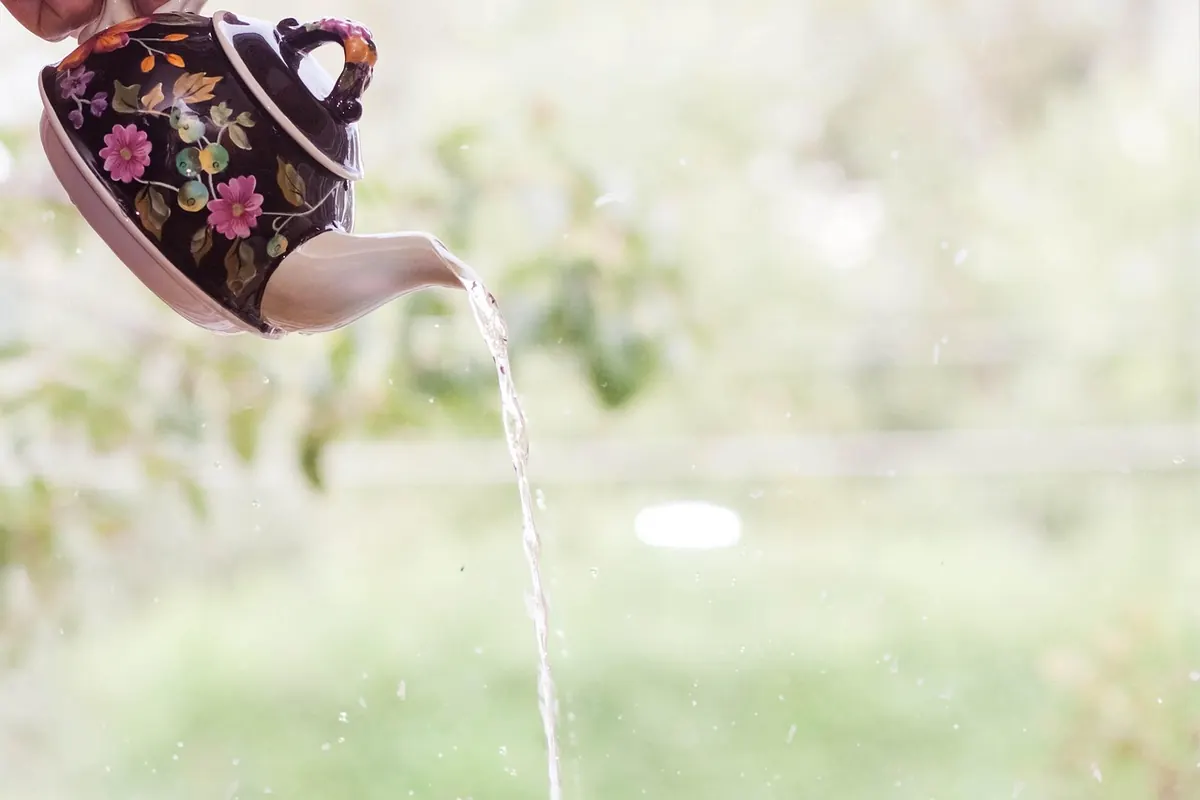
Spout design decides how a pot behaves, and a surprising number of brewing problems are really pouring problems. A low, wide spout empties quickly and cleanly. A long, narrow, high-set spout pours slowly and tends to dribble — and a pot that takes twenty seconds to empty is adding twenty seconds of steeping to every cup.
If your pot dribbles, the cause is usually hesitation. Tilt with commitment and keep a steady angle rather than easing into it. Rest a finger on the lid so it doesn't lift and leak at the seam. And when the pot has no internal filter, stop before the last few millilitres of dregs — pouring them out means pouring grit into the cup.
6. Soap, Dishwashers, and One Pot for Everything
Unglazed clay is porous. It absorbs tea, which is exactly why a well-used clay pot eventually brews better than it did new — but the same openness means it absorbs whatever else it meets. Dish soap, dishwasher detergent, and a scrubber all leave residue in the walls that comes back in the cup for the next several brews.
Rinse, Don't Scrub
Empty the leaves promptly, rinse with hot water, wipe the inside with your fingers or a soft cloth, and let the pot dry upside down with the lid off so air can move through it. For stubborn staining inside a glazed pot, a little baking soda on a soft cloth is fine. Leave unglazed pots alone; the patina is the point.
The last part of this mistake is using one pot for every tea. Unseasoned porcelain or glass is neutral and happily brews anything. Unglazed clay is not neutral — a pot used for smoky lapsang will keep whispering smoke into your delicate greens for a long time. Give strong, heavily flavoured teas their own pot, or keep them in glass.
A Short Routine Worth Keeping
None of this requires equipment or discipline, just a sequence. Warm the pot. Heat the water to suit the leaf, allowing for how your pot holds heat. Rinse only the teas that benefit. Measure roughly, fill to four-fifths, and pour the whole pot the moment it's ready. Then rinse the pot with hot water and leave it open to dry.
Tea is forgiving about almost everything except time in the water.
Get the pouring right and most of the rest takes care of itself. Pick one habit to change this week — the full pour is the one that pays off fastest — and let the better cup convince you to fix the next.
Photo: charlygracious / Pixabay
You Might Also Like
Rotate teapots, trays, linens, and flowers four times a year to keep a small home tea corner fresh, usable, and quietly seasonal.
Match a teapot to a tea lover's habits, space and taste with this practical guide to sizes, materials, styles and the small details that make a gift usable.